
How Nonprofits Can Use Video to Build Donor Trust

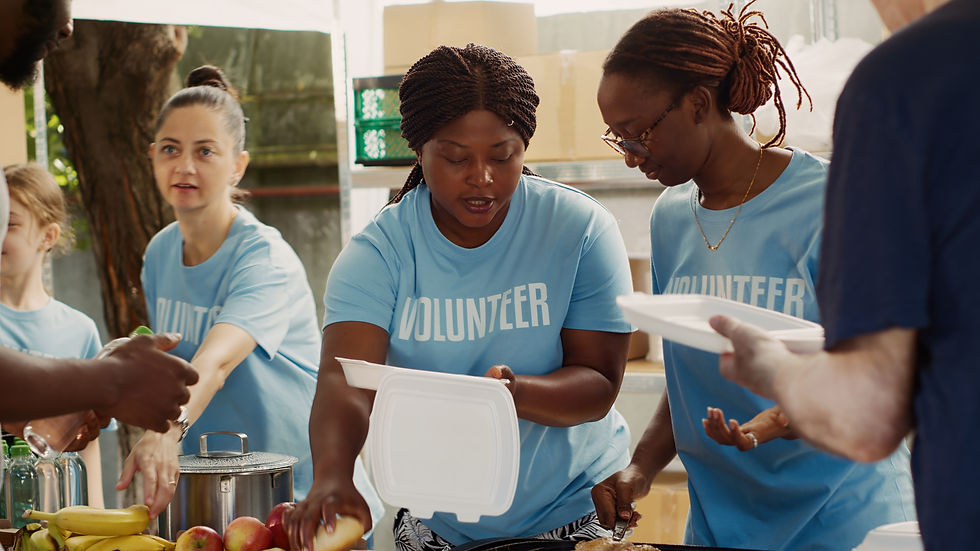
Trust is the foundation of every successful nonprofit.
Donors want to know that their contributions are making a meaningful difference. They want to see real impact, understand the mission, and feel confident that the organization they support is authentic and transparent.
Video has become one of the most effective tools for building that trust.
When used thoughtfully, video allows nonprofits to show their work, share real stories, and create a sense of connection that written updates alone often can’t achieve.
Here’s how nonprofits can use video to strengthen donor relationships and build long-term credibility.
1. Show Real People and Real Stories
One of the most powerful ways to build trust is through authentic storytelling.
Rather than focusing only on statistics or program descriptions, effective nonprofit videos highlight the individuals whose lives have been impacted.
This might include:
Participants sharing their experiences
Volunteers explaining why they are involved
Staff members describing the mission in their own words
These personal perspectives help donors understand the human side of the work and feel emotionally connected to the cause.
2. Let Donors See the Work in Action
Transparency builds credibility.
Video allows nonprofits to show what their programs actually look like on the ground—whether that’s community outreach, education programs, or support services.
By capturing real moments of impact, organizations can demonstrate:
How resources are being used
What day-to-day operations look like
The tangible results of donor support
Seeing the work firsthand helps donors feel confident that their contributions are making a difference.
3. Focus on Authenticity Over Perfection
In nonprofit storytelling, authenticity matters more than polish.
Overly scripted or heavily promotional videos can sometimes feel distant or overly produced. Donors are often more receptive to stories that feel honest and genuine. That doesn’t mean production quality should be ignored, but the goal should be clarity and authenticity, not marketing gloss.
Interview-driven storytelling often works well because it allows real voices to come through naturally.
4. Share Updates That Reinforce Impact
Trust isn’t built with a single video—it’s built through consistent communication.
Short updates throughout the year can help reinforce donor confidence by showing ongoing progress.
Examples include:
Program highlights
Event recaps
Volunteer stories
Impact updates
These videos help donors stay connected to the mission and remind them that their support continues to matter.
5. Use Video to Strengthen Long-Term Relationships
Ultimately, video isn’t just a fundraising tool—it’s a relationship-building tool.
By consistently sharing authentic stories and updates, nonprofits can create an ongoing narrative that keeps supporters engaged and informed.
Over time, this approach helps donors feel like partners in the mission rather than distant contributors.
That sense of connection often leads to stronger loyalty and continued support.
The Takeaway
Donor trust grows when nonprofits communicate openly and authentically.
Video helps make that possible by showing real stories, real impact, and real people behind the mission.
When used thoughtfully, it can transform how organizations connect with supporters—turning one-time donations into lasting relationships.
Considering Video for Your Organization?
If your nonprofit is exploring ways to share its mission more effectively, thoughtful storytelling can make a meaningful difference.
Contact BrightCore Films to start a conversation about creating video stories that strengthen trust and highlight real impact.

Comments